


Story
Holding Onto Freedom
My Journey with MND and Mobility
Peter Russo, MND Australia Ambassdor
Living with MND teaches you very quickly how much independence matters. It also teaches you that independence often depends on the right equipment, the right people, and the right support.
Before MND, if something in my life needed adjusting or fixing, it was simple. My car needed a service, I took it to a mechanic. My bike or snowboard needed modifications, I found a reputable shop and booked it in. Most people can relate to that. There are businesses everywhere built around helping people stay mobile, active and independent.
But when your world changes and your primary form of transport becomes a powered wheelchair, things become very different.
Finding people who genuinely understand how to adapt equipment to your changing body and needs is incredibly difficult. It often feels like you need to “know someone who knows someone” just to find the right help.
And sadly, many people living with disabilities or progressive illnesses are left navigating a system where equipment can be incredibly expensive, poorly tailored, or modified by providers who don’t truly understand the human being sitting in the chair.
After four years of living with MND, my wheelchair is now my main way of moving through the world. But as my condition progresses, the chair also needs to evolve with me. Small changes in posture, strength, movement or comfort can have a huge impact on whether I can still drive my chair safely, leave the house independently, or participate in everyday life.
I was speaking with my neurologist about issues I was having with my toes and walking when he suggested I speak to the STARS team at the Royal Brisbane and Women’s Hospital.
Initially, the focus was on whether they could help keep me walking longer. But during those conversations, they noticed that some of the difficulties I was experiencing with driving my wheelchair may not have been solely caused by my MND, parts of the problem were actually related to the setup and mechanics of the chair itself.
I was referred to the Engineering team within the hospital and what they did for me was remarkable.
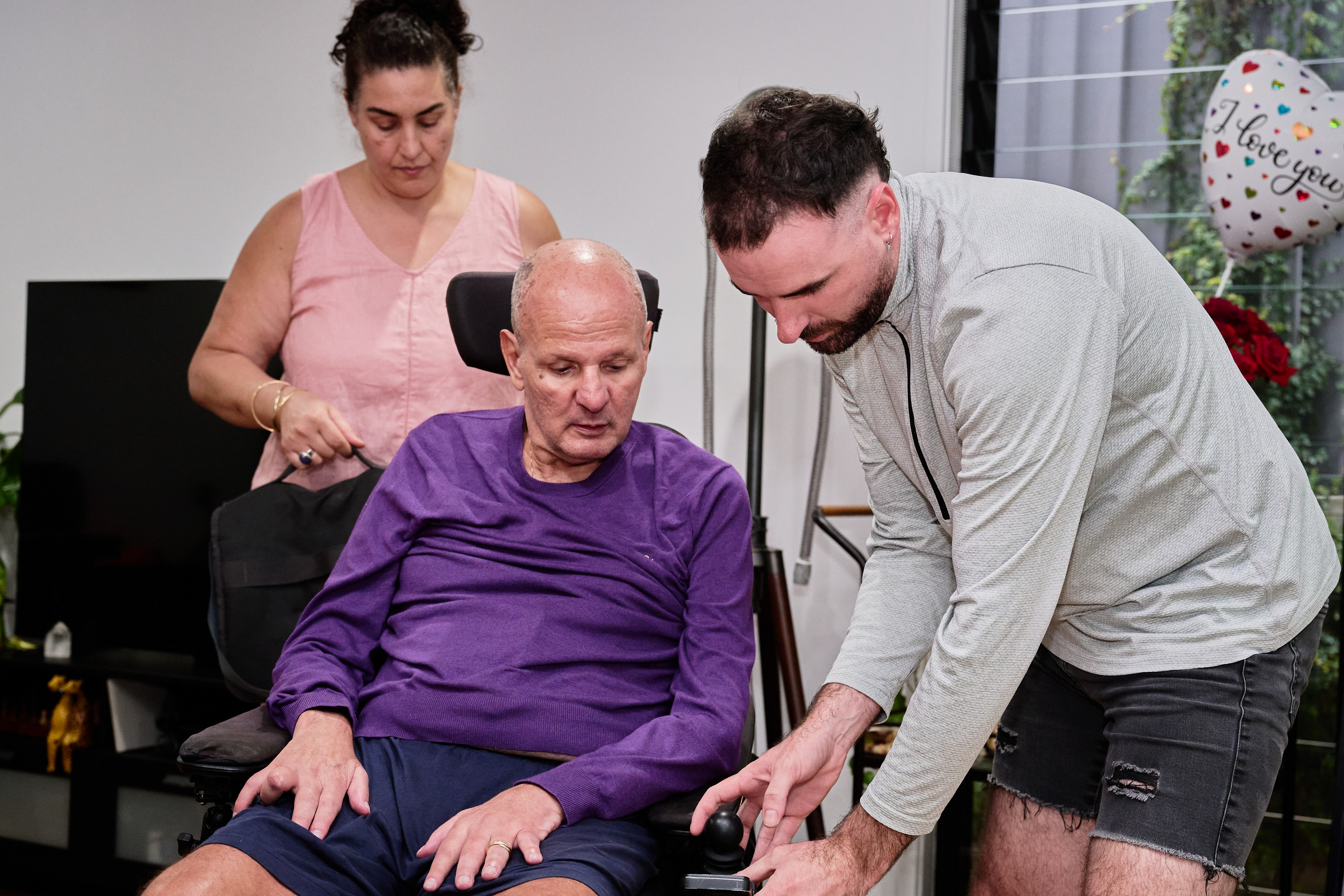
They listened carefully. They observed how I moved, how I drove, where I struggled, and what was changing in my body. Instead of offering a generic solution, they approached my situation with creativity, expertise and compassion.
They made tailored adjustments to my chair that gave me back control and confidence. Things that had become frustrating, exhausting and unsafe suddenly became manageable again.
What sets this team apart is that they do not see equipment first, they see the person first.
They are driven by a genuine desire to help people remain independent, comfortable and connected to life for as long as possible. They think outside the box. They innovate. They problem solve. And they do it with humility and care.
I can say hand on heart that I am still able to drive my wheelchair today because of this team.
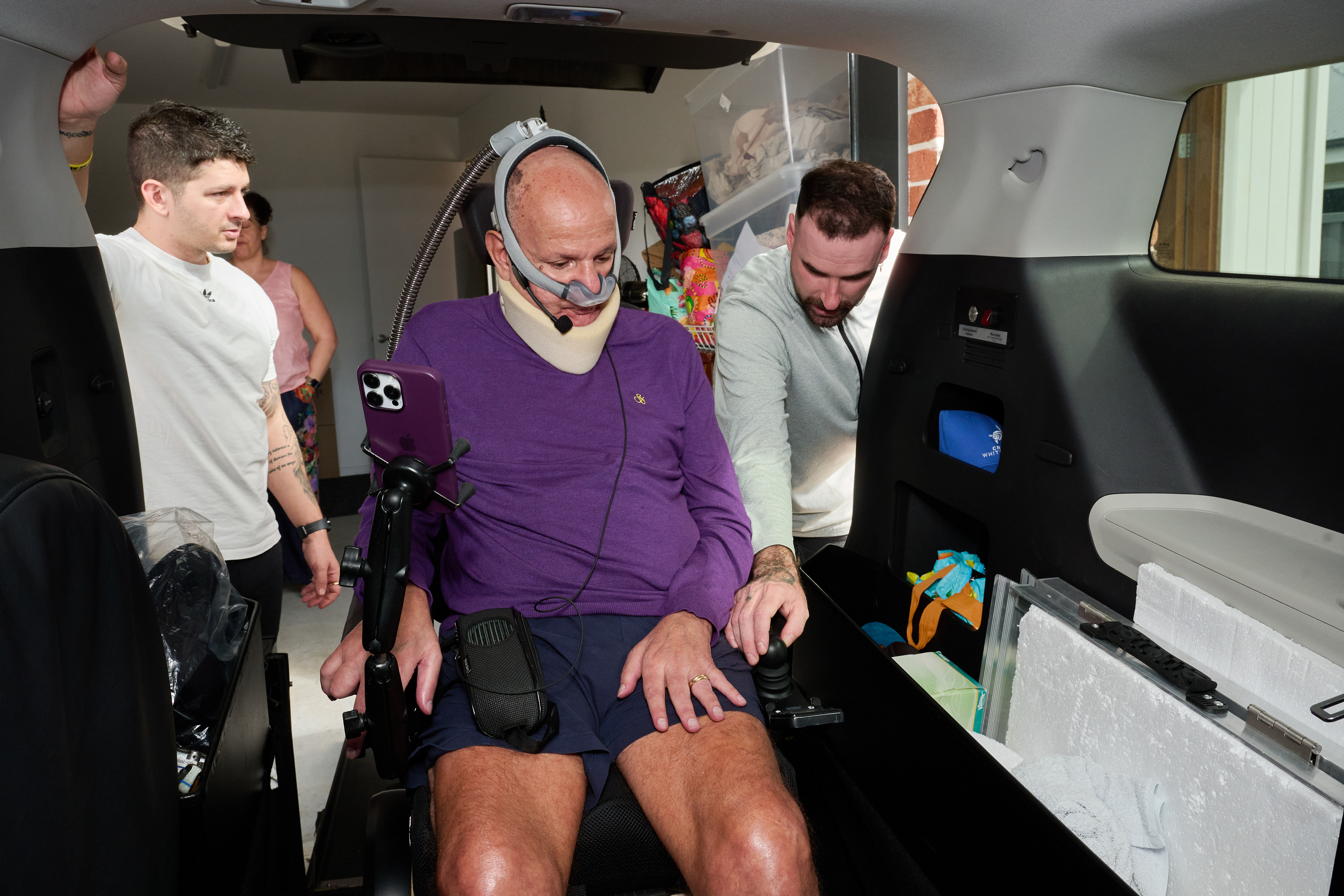
Services like the STARS Engineering department are rare, and they deserve recognition, support, and more importantly, funding. For people living with progressive diseases like MND, their work is not just about modifications or machinery, it is about dignity, freedom and quality of life.
A very special thank you to Oliver and his team, especially Nick, Camilla and Nathan. What you do matters more than you probably realise.
This article was originally featured in Issue 3 of Momentum magazine. Read the full magazine here.