


Story
Keeping Ian’s Legacy Rolling
The 2 Rivers Run Tractor Trek
driving hope for MND
For six days, a convoy of vintage tractors rolled slowly along the back roads of northern Victoria. Travelling at little more than 20 kilometres an hour, they stopped in small country towns, rattled donation tins, shared meals, and sparked conversations about motor neurone disease.
This year, the 2 Rivers Run Vintage Tractor Trek raised over $100,000 for charity with an extraordinary $87,000 raised for MND Australia’s research grants program. $5,000 of that total was donated by the Geary Family’s Philanthropic Trust. The event brought together 53 participants, 38 vintage tractors, and communities across the region.
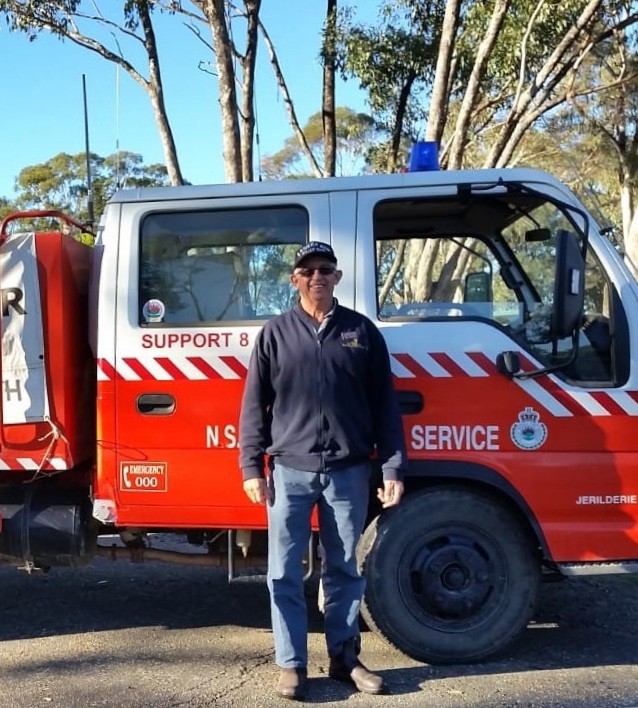
The trek was founded by Ian Sneddon, a much-loved community leader from Jerilderie who passed away from MND in 2019.
“Ian just loved bringing people together,” says his wife, Robyne Sneddon. “He was involved in everything. Golf, Tidy Towns, the Rural Fire Service, local council serving as the Mayor, junior sport, the RSL. He always wanted to help.”
Ian’s love of vintage tractors began with an old grey Ferguson tractor left to him by his uncle. What started as a shared hobby with friends soon became something bigger. Together with close friend Phil Horwell, Ian launched the first tractor trek in 2014 to raise money for men’s health and cancer research in regional communities.
The event quickly became a much-loved regional tradition. Then Ian was diagnosed with MND.
“When Ian was diagnosed, the committee decided future fundraising would go to MND,” explains 2 Rivers Run Committee Secretary Robyn Cole. “That became the main reason we chose MND Australia as our charity.”
Ian was still able to participate in his final trek before he passed away from MND in 2019.
“He couldn’t drive much by then,” Robyne recalls, “but he still came along. I followed the tractors in our motorhome and helped with meals and support along the way.”
After Ian’s passing, the event evolved into something even larger than one person’s story.
“Originally it was very much about Ian,” Robyne says. “But now so many people connected with the tractor trek have had family or friends affected by MND. It’s become about the whole community.”
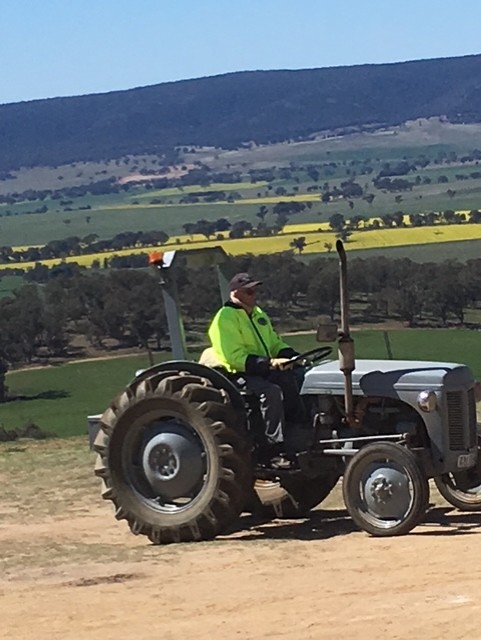
Held every second year, the week-long trek travels between rural towns using quieter back roads, stopping for fundraising events, meals, and community gatherings. This year’s oldest tractors included rare 1936 and 1938 Lanz Bulldogs, drawing crowds wherever they went.
“There’s definitely more awareness now,” says Robyn. “As soon as someone hears we’re fundraising for MND, they say, ‘I knew someone who had it.’”
That awareness is growing across regional Australia, where many families have experienced the devastating impact of the disease firsthand.
“MND is something more and more people are hearing about and understanding. People want to help.”
The response this year exceeded all expectations. The previous trek raised around $45,000. This year, donations climbed past $100,000 before final figures were counted.
“When we hit around $70,000 during the trek, I started to think maybe we could get close,” Robyn says. “But to raise this much was incredible.”
For MND Australia, those funds will directly support critical research projects aimed at improving treatments, care, and ultimately finding a cure.
“He would be over the moon,” Robyne says of Ian. “So much money is going to help other people and families in our position.”
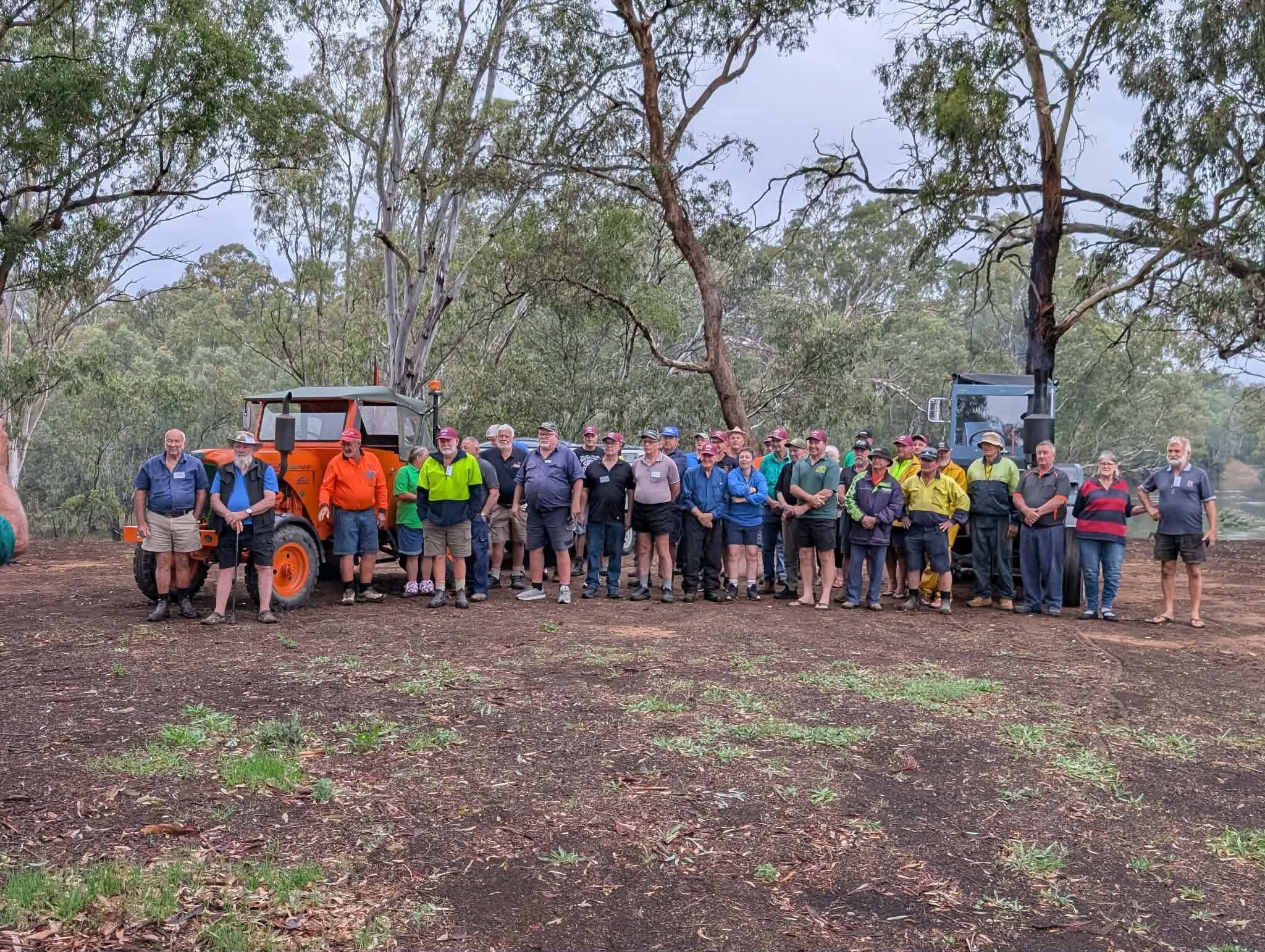
Ian’s legacy continues beyond the tractor trek. The Jerilderie community also hosts the annual Ian Sneddon Golf Day, another fundraiser supporting people living with MND and funding vital research.
It is a reflection of the kind of person Ian was: practical, community-minded, and determined to get things done.
“He wasn’t one to sit on an idea,” Robyne says with a laugh. “He’d say, ‘Let’s just do it.’”
While the tractors may move slowly, the impact of the event is anything but small. Every kilometre travelled and every donation collected is helping drive vital MND research forward and ensuring families living with MND feel supported, understood, and never alone.
This article was originally featured in Issue 3 of Momentum magazine. Read the full magazine here.