


Speech
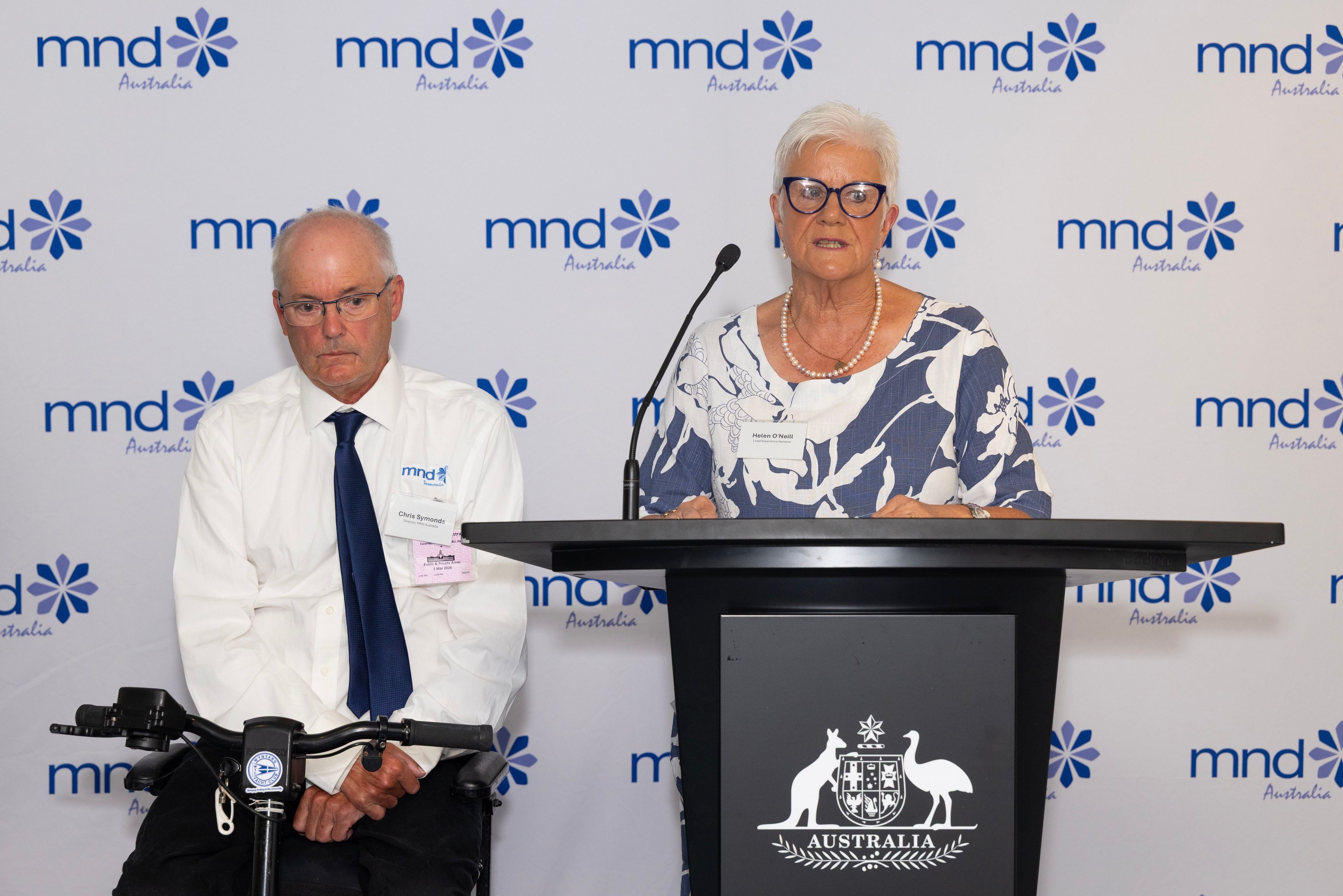
Helen O'Neill speech at Parliamentary Friends of MND launch
3 March 2026
Check against delivery.
Today, I will share my family’s journey caring for my husband, Phil, diagnosed with Rapid Onset Bulbar Palsy Motor Neuron Disease. We learned very quickly that motor neurone disease is not a battle—it is a war. And for Phil, MND was the winner.
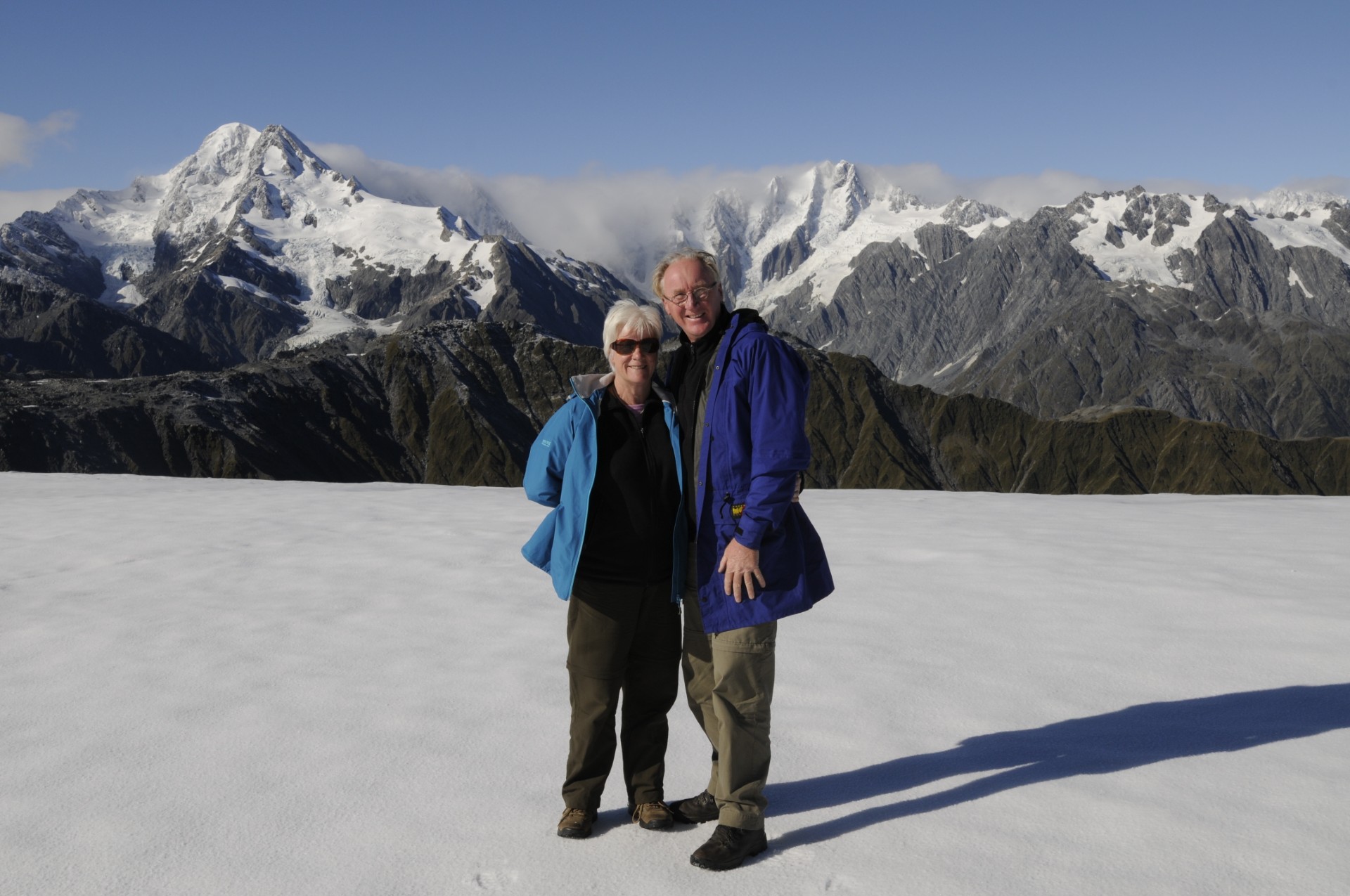
Phil lived in rural Tasmania. He was vibrant, magnetic, and endlessly active. He loved multi‑day bushwalks, travelling, surfing, kayaking, and capturing nature through his photography. He loved music, laughter, community, and he absolutely loved being a larrikin.
His symptoms came on suddenly. Over just two weeks, his breathing changed. He became confused, struggled to swallow, move, and toilet, and lost his appetite. Coincidentally at that time he had a day admission for a routine procedure became a week in hospital as symptoms escalated. His physician ordered every test possible, and every result came back normal.
Then, during a ward visit, the physician noticed whole‑body fasciculations—muscle twitching that many of you will know is a telltale sign of MND. I will never forget his words: “Helen, I think we are looking at MND.” From that moment, everything became a whirlwind.
On the 4th of October 2024, Phil’s diagnosis was confirmed. We were told his life expectancy was limited because of the rapid progression. Phil simply said, “Oh well, that’s ok. At least I don’t have to make any decisions about treatment—it’s a one‑way road.”
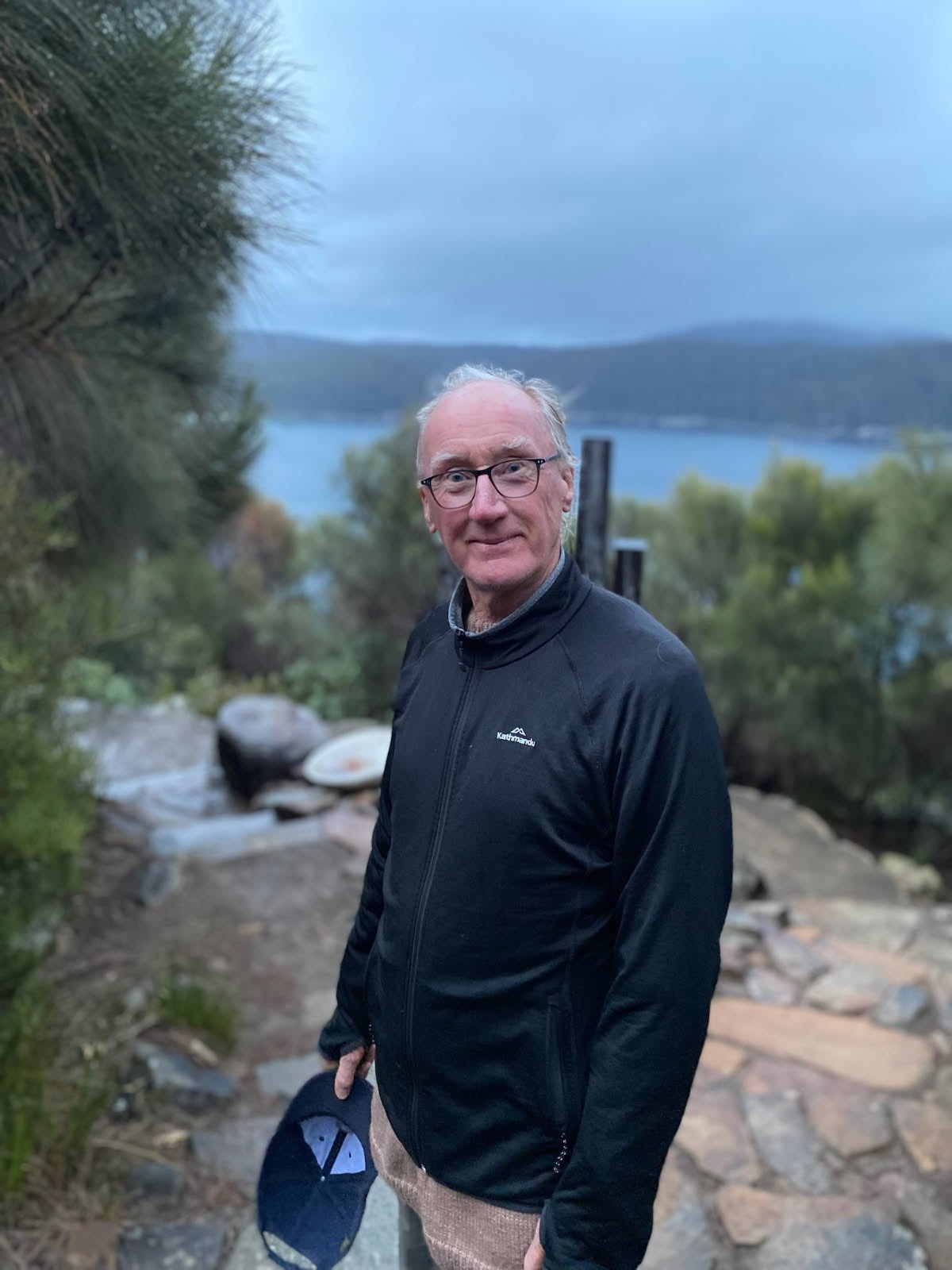 Phil O'Neill
The specialist teams were extraordinary. They organised a ventilator, dietetics, gastroenterology, and connected us with our MND Care Coordinator, through MND Tasmania, who in turn, connected us with palliative care, community nursing and allied health services.
Within six weeks of Phil’s first symptoms, I went from being a wife to being a full‑time, 24‑hour carer. My 52 years of nursing experience made that possible. Phil couldn’t be left alone because of choking and falls risks. His needs were immediate, and our family, friends and neighbours and stepped in without hesitation. They built ramps, found a wheelchair, provided shower and toilet chairs, an electric bed, remodelled the bathroom, and cooked meals.
Phil’s friends came to play his records, reminisce, take him on outings when he was well enough, and listen when he talked about dying.
Our daughter took Tuesdays and Wednesdays off work and stayed to help. I became a carer, and a teacher—showing her how to care for her terminally ill father. Phil hated that his wife and daughter had to do everything for him, but we all wanted him to stay at home, on his farm, with the best quality of life possible.
As time went on, my nurse and doctor friends stepped in to give me breaks. Our three children, their partners, and our grandson put their lives on hold to help. Our son, son‑in‑law, neighbours, and friends took over Phil’s jobs on our hobby farm.
Two months after his first symptoms, Phil required 24‑hour care for every aspect of life—mobility, toileting, incontinence care, showering, PEG feeds, ventilator use, pressure care, medications, choking prevention, and constant emotional support as he wrestled with his diagnosis and agonised over whether he would end his journey on his terms, particularly after being approved to access VAD, or whether the illness would make that choice for him. Overnight, he woke every one to two hours needing help.
Our physical exhaustion was immense - the care, the planning, the coordination—it was relentless. Our emotional and mental exhaustion was extreme. We suppressed our own grief just to function.
Our MND care coordinator advocated for an urgent Aged Care Assessment. Without that advocacy, we would have waited months. When the Home Care package began, 3 and a half months after diagnosis, it provided one hour of personal care twice a week and four hours of respite every two weeks. But carers could not administer PRN morphine, manage the ventilator, or handle choking events. Our daughter or I always had to be nearby.
Phil talked about respite, worrying about our fatigue, but he needed one‑to‑one, 24‑hour nursing care—something unavailable through the public or private sectors, or through providers, in our rural area. Respite wasn’t an option.
In the final weeks of Phil’s life, we opted to self‑manage his package, saving the fees that were consuming almost half of his funding. We employed a registered nurse who came one night a week and for six hours on another day.
Because Phil’s care needs were constant, we didn’t get the quality time we desperately wanted with him. It should not have been this way. Conversations were squeezed between tasks—tasks that could have been done by a nurse if we’d had access to one regularly.
Phil died on the 11th of July 2025, 280 days after diagnosis, one month before his 73rd birthday. He died at home, on his farm, overlooking his trees, surrounded by family, close friends, and his doctors, as his eagles floated in the sky overhead.
Research for the future of MND is essential—but qualified, hands‑on support in the home is urgent, regardless of age or location.
Phil was able to stay at home because of our community, our family, and my career as a nurse. It was bloody tough. Twenty‑four hours a day. Every day. Which leads to a question I often ponder: What happens to people who don’t have what we had? And those that have to do it longer than we did?
We must learn. We must improve. People living with MND deserve to be cared for at home, surrounded by love, with the best quality of life possible—no matter their age or where they live.